

There exists a type of ingredient that consumers would never consider yet is absolutely essential for food producers. Hydrocolloids belong to that class. They are not added for their flavor. They are not added for their color. They do not feature on the front-of-pack statements. Instead, what they do is ensure that the product behaves as it should behave. The sauce that coats and does not collect. The dressing that stays emulsified. The ice cream that does not become an icy mass after three weeks of storage in the freezer. The gluten-free bread that remains stable and does not crumble.
Guar gum is one of the extensively utilized hydrocolloids in the food processing industry, gaining its popularity not from any marketing promotions but from the functionalities possessed by the product. It is an easy-to-hydrate powder in both cold and warm water, has effective thickening properties even with minimal use, and is applicable to many food formulas.
How Guar Gum Actually Works
The functional mechanism is the galactomannan polysaccharide structure that makes up the majority of guar gum’s composition. When that structure hydrates, it forms a highly viscous network in the water phase of the formulation. This network resists flow, which is the thickening effect. It also traps water and restricts the mobility of other components, which is the stabilising effect.
The concentration required to produce a meaningful viscosity effect is low compared to many alternative thickeners. This efficiency matters for formulation economics and for the label. Lower inclusion rates mean smaller contributions to the nutritional profile and ingredient declaration.
What the functional effect actually looks like in the finished product depends on the grade, the formulation composition, the processing conditions, and what else is in the system. Guar gum interacts with other hydrocolloids in ways that can either enhance or reduce its effect depending on which ones are present. It behaves differently in high shear processing than in low shear. It responds to pH and temperature in ways that affect how it should be incorporated. These are not complications that make guar gum difficult to work with. They are the variables that a food technologist needs to understand to use it effectively.
Grade Selection Is Not a Secondary Decision
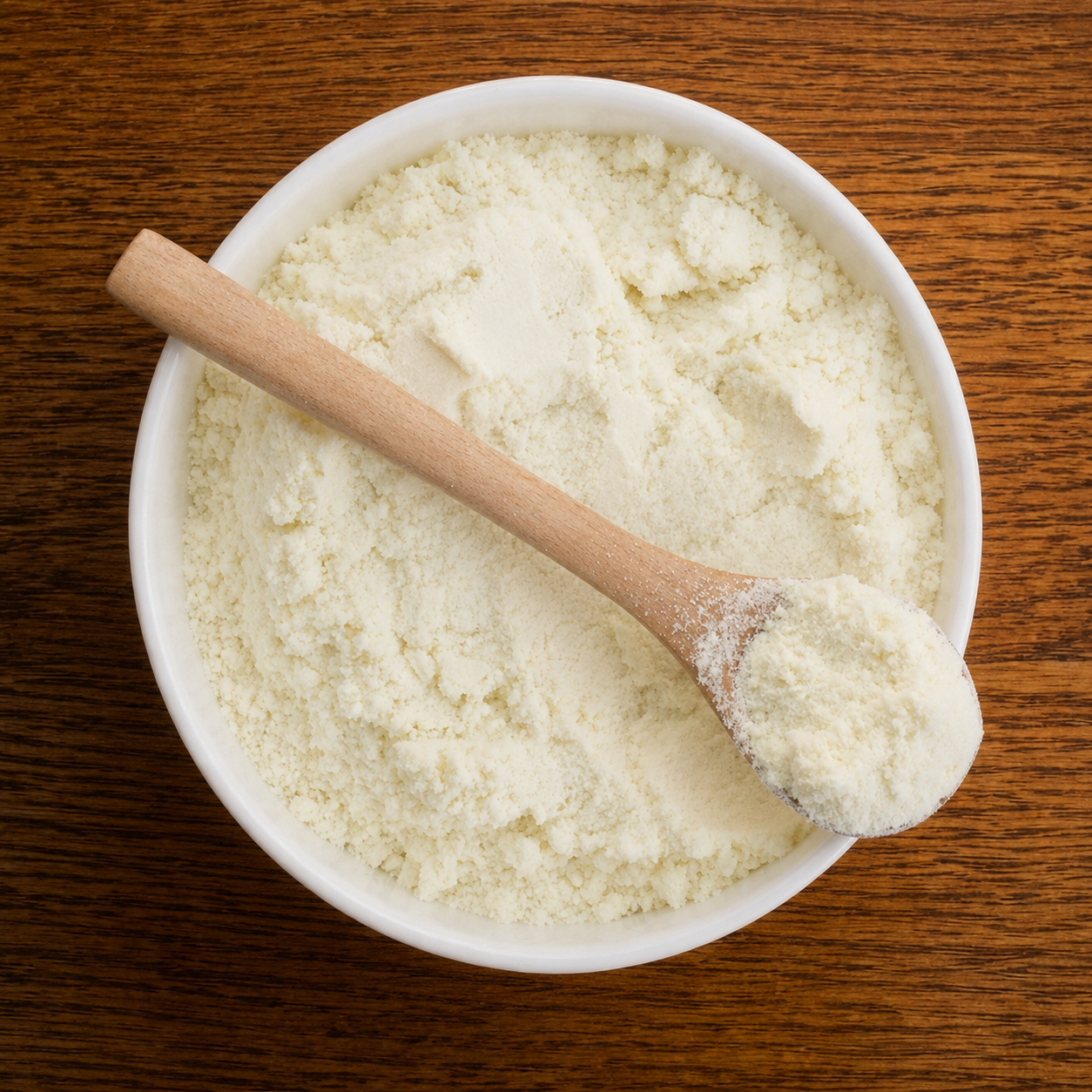
Food Grade Guar Gum Powder is not a single product. Different grades are characterised by their viscosity development, measured as the viscosity of a standardised solution under defined conditions, and by particle size distribution, which affects hydration rate and processing behaviour. A high-viscosity grade in a beverage application can produce an unacceptable mouthfeel. A low-viscosity grade in a sauce application may not provide adequate body at an economically sensible inclusion rate.
The relationship between grade and application performance is specific enough that grade selection should happen through dialogue between the food manufacturer’s development team and the supplier’s technical capability, not through a generic specification sheet. A professional Food Grade Guar Gum Powder manufacturer who understands food applications can contribute to this conversation rather than simply supplying what is asked for. This is part of what separates a supplier worth building a relationship with from one that is simply processing and shipping a commodity.
Why Consistency Between Batches Is the Core Commercial Requirement
A food product formulated and validated using a specific grade of guar gum from a specific supplier is validated against that supplier’s product characteristics. Viscosity grade, particle size distribution, moisture content, microbial specification. These parameters collectively determine how the ingredient performs in the formulation.
When any of these vary between batches, the formulation outcome varies. Sometimes within acceptable limits. Sometimes not. A sauce that suddenly has lower viscosity than expected. A dairy product where the texture is slightly different from the previous production run. Tracing these variations back to raw material inconsistency is possible but time-consuming and disruptive. Preventing them through consistent supply is considerably more efficient.
A reliable Food Grade Guar Gum Powder Supplier maintaining defined quality parameters and analytical documentation for each batch gives the food manufacturer the information needed to verify each delivery before it enters production. This is not optional due diligence for significant ingredients. It is basic quality management practice.
Packaging and Storage for Hydrocolloid Powders
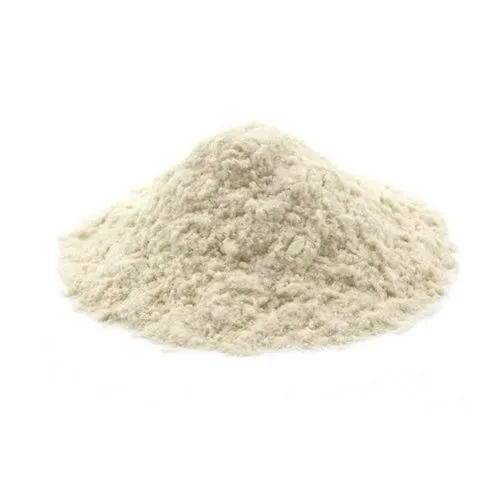
Guar gum is hygroscopic. This means that it takes up moisture from the air around it, and moisture affects not only the behavior of the powder but also its functionality. Moisture-affected powder clumps together, hydrates poorly during production, and may have poor viscosity development in the final product.
Thus, providing moisture barrier properties to the packaging becomes a technical necessity, and not merely a choice of how to present the product. When it comes to large quantities, it would be wise to discuss the options for packaging, transportation, and storage with the supplier before placing the order, and not when moisture issues arise.
This becomes especially relevant for international shipments, since the conditions of storage and transportation are less predictable than in a domestic supply chain.
Frequently Asked Questions
A processed powder derived from guar seeds, produced and tested to specifications appropriate for food manufacturing applications. The grade determines its viscosity profile and hydration characteristics.
It builds viscosity efficiently at low concentrations and stabilises food systems by restricting water mobility and ingredient separation. These properties are relevant across sauces, dressings, dairy products, bakery, beverages, and processed food categories.
Through evaluation of the formulation requirements, the processing conditions the ingredient will go through, and the desired functional outcome in the finished product. This is a technical decision that benefits from dialogue with the supplier rather than selection from a catalogue.
No. Performance depends on concentration, the other ingredients in the system, pH, temperature, and processing conditions. Understanding these dependencies is part of effective formulation development.
Batch-to-batch consistency demonstrated through analytical data, grade range covering the buyer’s application requirements, appropriate food safety documentation, packaging suitable for the handling and storage environment, and the technical capability to support application questions.